
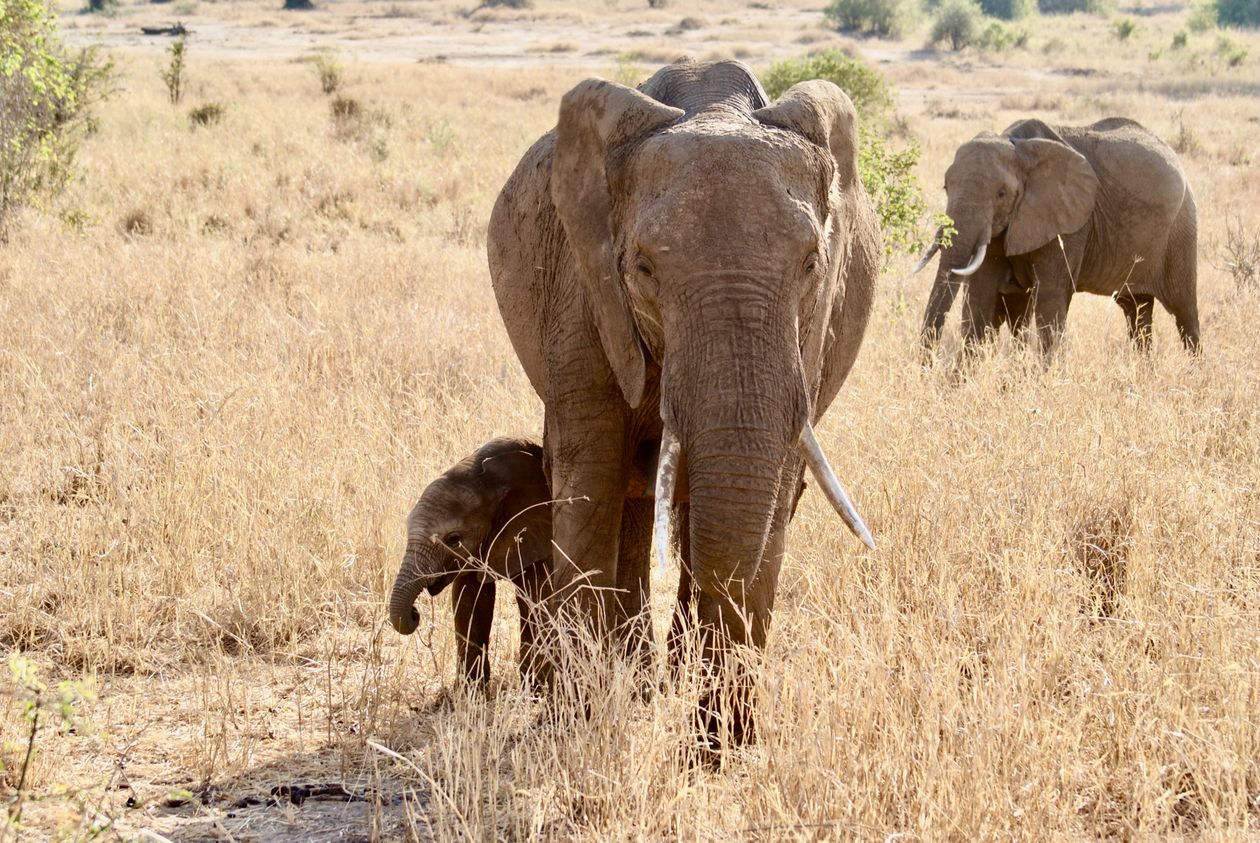
A Tanzania family safari works for children from about age five, and the northern circuit is among the most family-friendly wildlife destinations on the continent. Tarangire National Park, Ngorongoro Crater, and Lake Manyara all deliver concentrated game viewing within manageable drive times, while lodges built around families offer pools, children's programs, and guides practiced at keeping younger travelers engaged. The Serengeti adds the Great Migration but requires longer drives, making it the better choice once your youngest is around eight. Plan seven days on safari, choose June to October for the clearest conditions and lowest malaria risk, and your Tanzania family safari will exceed expectations at almost any age.
Is Tanzania Right for a Family Safari?
Tanzania is genuinely one of the best countries in the world for a family safari, and not just in theory. The northern circuit packs four excellent parks into a geography compact enough to drive between them in a day, which keeps transfer times manageable even with young children. Wildlife is abundant, reliable, and visible at close range, so families are not spending hours searching. The park infrastructure is well-established, which means lodges, guides, and vehicles are all calibrated for international visitors, including those traveling with children who need shorter morning drives or a midday break at the pool.
The comparison that comes up most is Tanzania vs. Kenya, and Tanzania has a meaningful advantage for families: lower vehicle traffic per sighting in its national parks, more privacy at lodges outside the main tourism corridors, and the option to combine a safari with a beach extension in Zanzibar in a short one- to two-hour flight. Our Tanzania vs. Kenya safari comparison covers the tradeoffs in full if you're deciding between the two.
What Age Can Children Go on a Tanzania Safari?
Most Tanzania safari lodges and camps set their minimum age at five or six for standard game drives. A handful of luxury properties with guided walking safaris require children to be twelve, because walking in the bush alongside armed guides is assessed as too unpredictable for younger children. Knowing which category your shortlisted lodge falls into matters before you book.
Age five to seven is the sweet spot for Tarangire, Ngorongoro Crater, and Lake Manyara. Game drives of two to three hours, wildlife at close range, and junior ranger programs running in parallel with adult morning drives are all well-suited to this window. The Serengeti becomes a more natural fit at eight, when children can handle a four- or five-hour game drive without it feeling too long and can start to appreciate the scale of the landscape rather than just individual animals.
For families with children aged two to four, a Tanzania safari is possible but requires specific planning. You will need a private vehicle rather than a shared game-drive vehicle, shorter drive windows of no more than two hours, and a lodge with on-site amenities: a pool, a doctor, and children's menus at minimum. The Four Seasons Safari Lodge in the Serengeti accepts children from age two, which is unusually young for the category, and has the infrastructure to make it work. Expect a higher budget and plan more time at the lodge each day.
Children thirteen and older can do the full adult experience, including early-morning drives, evening game drives, and in some cases guided walking safaris where the lodge permits them from age twelve. If you have a mixed-age group spanning a wide gap, say a five-year-old and a twelve-year-old, the practical approach is to anchor the itinerary to the lodges and parks that work for the younger child, while letting the older one take on the more demanding drives and optional activities when they're available.
Best Parks for a Tanzania Family Safari
The four parks of the northern circuit each offer something different for families, and the right combination depends on your children's ages and how much time you have.
Tarangire National Park is the best starting park for most families with children under ten. The dry-season elephant population along the Tarangire River is extraordinary: gatherings of 100 or more elephants at a single waterhole are a regular occurrence from July through October, and children encounter the herds within the first hour of their first game drive. The park's ancient baobab trees, many between 500 and 900 years old, give the landscape a visual strangeness that holds younger children's attention in a way that flat savanna sometimes doesn't. Drive times from Arusha are around two hours on paved road. Our full Tarangire guide covers what to expect in each season.
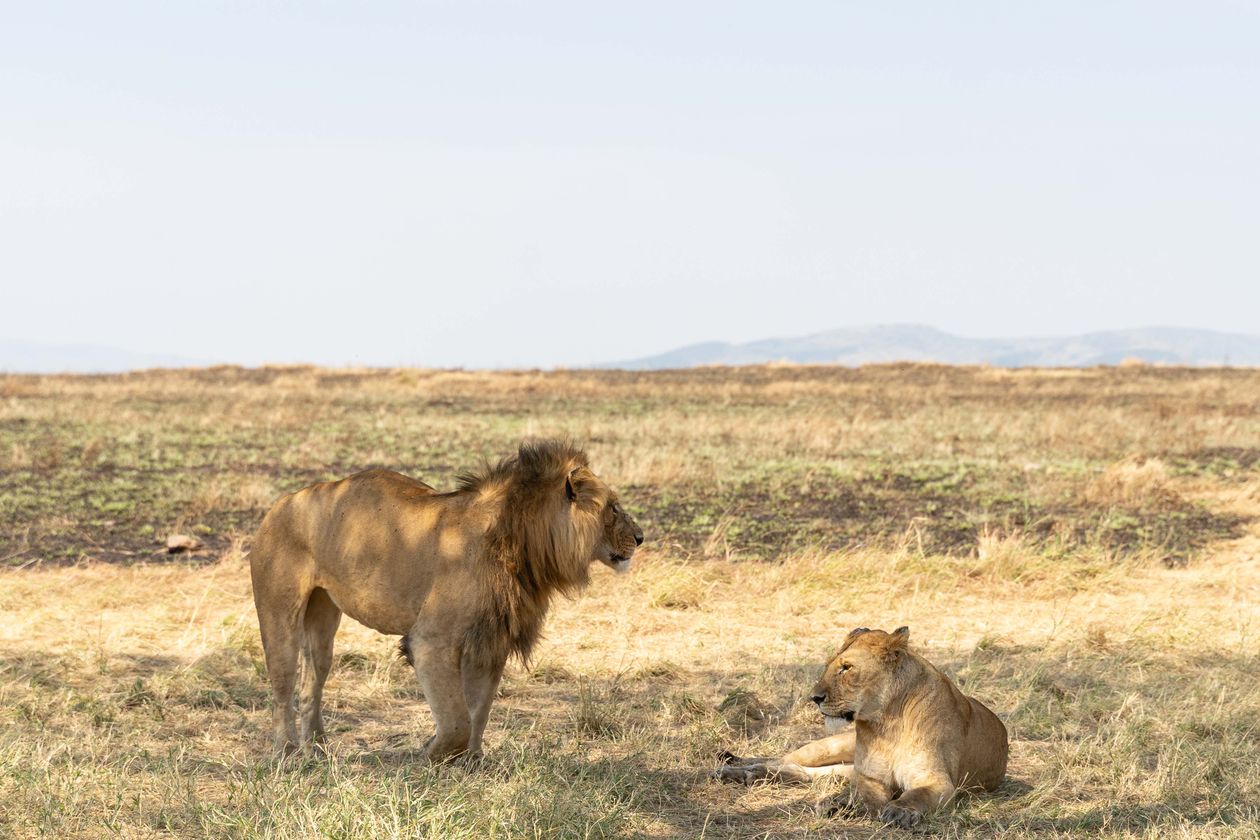
Ngorongoro Crater is a natural amphitheater 304 square kilometers wide, holding around 25,000 large mammals. Because the caldera walls keep animals inside year-round, the crater produces reliable sightings of lion, elephant, buffalo, and black rhino on every game drive, regardless of season. For a family wanting maximum variety in minimum time, the crater delivers. The descent to the floor takes twenty minutes, and the experience from the first half-hour onward is immediate: lions resting near the soda lake, elephant bulls crossing the track, flamingos along the alkaline shore.
Lake Manyara National Park is the smallest park on the circuit and works well as a half-day or a compact full day. It is best known for tree-climbing lions, a behavior found in almost no other lions in the world, and for large flocks of flamingos along the lake shore. The canopy drive through the groundwater forest at the park entrance is a genuinely different experience from open savanna and tends to hold children's attention. The park works well as an introduction, a first morning after arriving in Arusha, or as a final half-day before leaving the circuit.
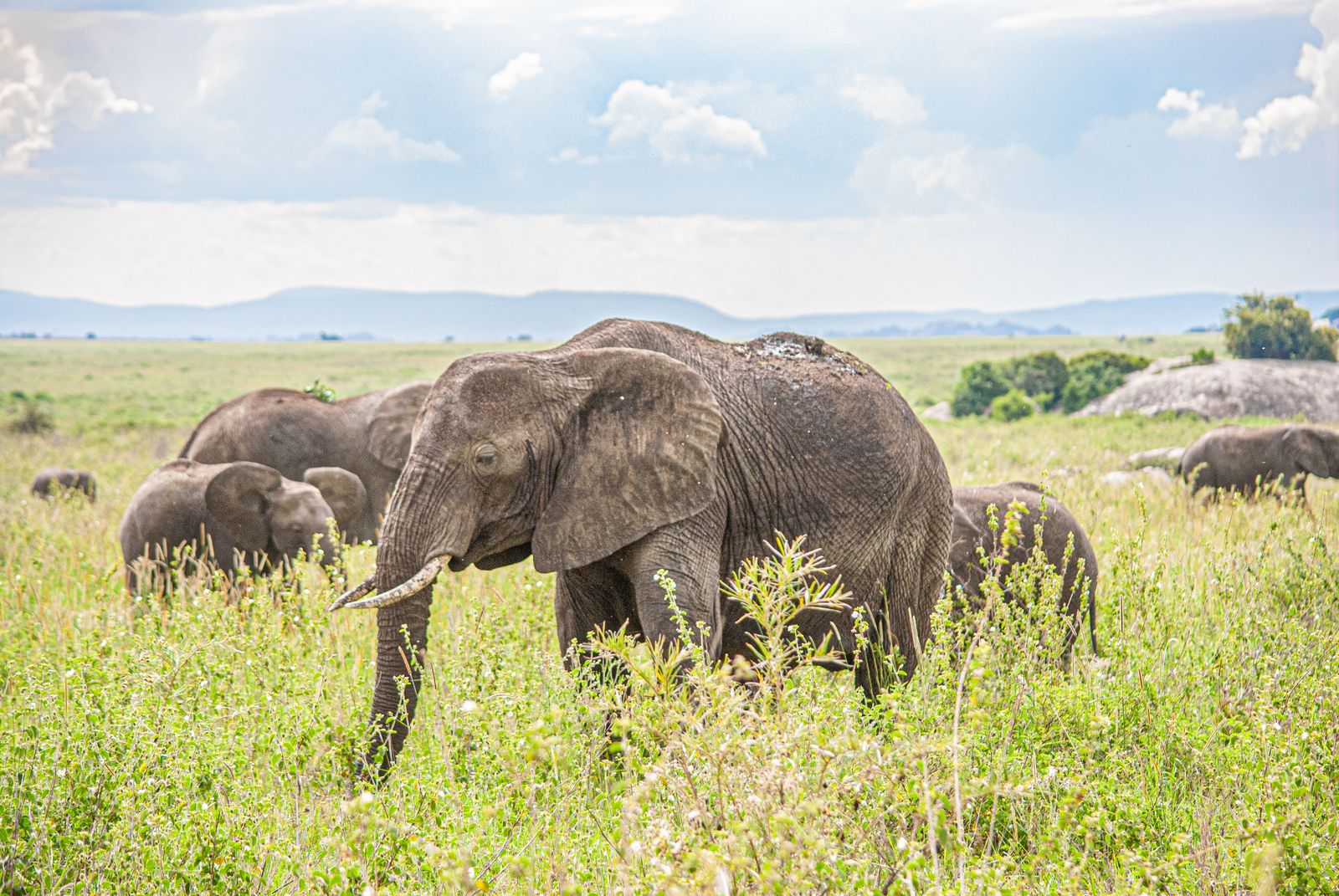
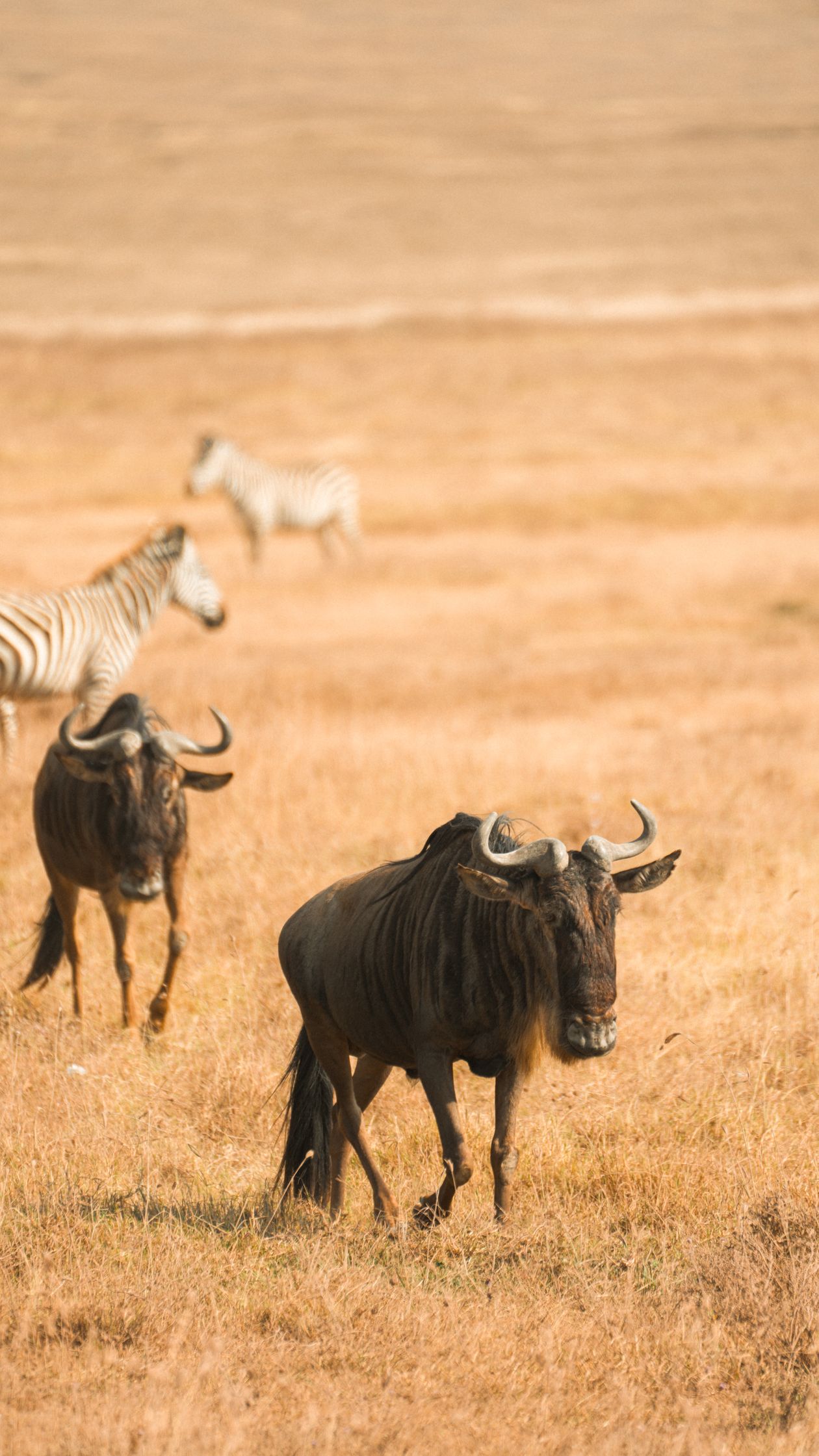
The Serengeti is the headline park and the right choice for families whose youngest is seven or eight. The park is vast at 14,763 km², so game drives between sightings are longer than in the other northern parks. The payoff is the Great Migration: around 1.5 million wildebeest and 400,000 zebra move in a continuous loop through the ecosystem, and in July through September the Mara River crossings in the north are among the most dramatic wildlife events on earth. Fly-in options via small bush plane from Arusha, around 45 minutes, eliminate the long road transfer and are worth the extra cost for families who find extended driving challenging.
Best Time for a Tanzania Family Safari
June to October is the best window for a Tanzania family safari across almost every dimension that matters to families. Malaria transmission is at its lowest in the dry season, grass is short and wildlife is easy to spot, the Ngorongoro Crater is reliably clear rather than cloud-covered, and Tarangire's elephant gatherings peak from July through October as surrounding water sources dry up. The full month-by-month Tanzania guide breaks down what changes across the year for all parks.
June and October are the shoulders of peak season and worth considering deliberately. Wildlife viewing in June is strong from the first week, prices are slightly lower than July and August, and the parks are noticeably less crowded. October is excellent because migration herds are moving south across the short-grass Serengeti plains, predator activity is high, and the dry-season clear skies persist. Families booking in July and August should expect higher lodge rates and more vehicle traffic at popular sighting areas.
January and February are the best alternative for families who cannot travel in the dry season or are working with a tighter budget. The Ndutu area of the southern Serengeti holds the wildebeest calving season from late January through February: around half a million calves are born over six to eight weeks, and the resulting predator activity is intense. Guides rate this among the most dramatic wildlife windows of the year for big cats. Lodge prices are typically 20 to 40 percent lower than peak season. The tradeoff is higher rainfall and longer grass, which can make game viewing less consistent in parks like Tarangire where animals have dispersed across a wetter landscape.
April and May are the months to avoid for a family safari. The long rains are at their heaviest, some tracks flood, certain lodges close for maintenance, and wildlife is harder to locate in tall grass. March is marginal and workable if you're flexible. November sees the short rains, which typically come as afternoon downpours rather than all-day rain, and a November safari with an emphasis on Ngorongoro and Tarangire can still work well.
How Long Should a Family Safari in Tanzania Be?
Seven days on safari is the right target for most families, with five days being the practical minimum for covering three parks without feeling rushed. Five days can accommodate Tarangire, Ngorongoro, and Lake Manyara in a compact circuit from Arusha, giving children a strong wildlife experience without excessive early mornings. Seven days adds the Serengeti or allows a second night in Tarangire, which is almost always better than one night when children are still adjusting to the rhythm of game drives. Our Tanzania safari days guide explains what each additional day buys across all four parks.
Many families extend to ten or twelve days by adding Zanzibar at the end. Three to four days on the beach after a week in the bush gives children time to decompress and swim, and the beach resets everyone's energy in a way that heading straight home from game drives doesn't. The combination works because the flight from Serengeti airstrips to Zanzibar takes under three hours. Our Tanzania safari and Zanzibar guide covers the logistics of combining them, including how to sequence the trip so the safari comes first and the beach serves as the natural reward.
Activities for Children on a Tanzania Safari
Game drives are the core activity, but the best family lodges build a wider program around them that keeps children genuinely engaged across the whole trip. What's available depends on which lodge you choose, but several activities appear consistently across family-focused properties in the northern circuit.
Junior ranger and bush school programs run at a number of lodges and camps as structured half-day sessions. Children spend the morning with a trained naturalist learning animal tracks, bird identification, basic bush skills, and conservation principles through hands-on exercises rather than lectures. These programs are consistently among the highlights of the trip for children aged six to twelve, partly because they give younger travelers their own version of the experience rather than sitting alongside adults on a game drive.
Maasai village visits are offered by most northern circuit operators and run for 45 to 90 minutes. A visit to a traditional boma includes watching dances, observing beadwork, and spending time with community members who explain daily life centered around cattle herding. These visits are appropriate for all ages and tend to be particularly effective with children between six and twelve who are old enough to ask questions and young enough to be genuinely delighted by the unfamiliarity of what they're seeing.
Bush breakfasts and sundowner stops are built into most itineraries and are more effective with children than they might initially sound. A bush breakfast set up on the Serengeti plains at 7 AM, with giraffes visible in the distance and the vehicle's roof open to a clear sky, is the kind of detail children remember for years. These stops break up the drive, change the physical dynamic of sitting in a vehicle, and give younger children a chance to move around before the next game area.
Swimming pools matter more than most itineraries acknowledge when traveling with children. The midday window from 11 AM to 3 PM is generally when wildlife activity drops and heat peaks. A lodge with a good pool turns this into a genuine break rather than dead time in a room, and children who have been up since 5 AM for a morning drive genuinely need the reset before the afternoon game drive. If you're traveling with children under ten, prioritize lodges with pools during the selection process.
Family-Friendly Lodges for a Tanzania Safari
Lodge choice makes a significant practical difference on a Tanzania family safari, especially when children are young. The main variables to assess are minimum age policy, whether a private vehicle is included or available at extra cost, whether the lodge has a pool, and what dedicated children's programming looks like.
Four Seasons Safari Lodge (Serengeti) accepts children from age two, which is unusually low for the Serengeti category. It has an on-site medical clinic, a children's club, interconnected family rooms that keep young children in the same suite as parents, and a large swimming pool. For families with very young children, or families new to safari who want the reassurance of comprehensive amenities, this is the most reliable choice in the northern circuit. It is larger and more hotel-like than a tented camp, which some families appreciate and others find reduces the wilderness feel.
andBeyond Serengeti Under Canvas is a mobile camp that moves five times a year to follow the migration, setting up in different zones of the Serengeti to stay near the wildebeest herds. Family tents are available, and the operation is designed around immersion in the bush rather than hotel amenities. The guides are consistently strong, and sleeping in canvas accommodation with the sounds of the Serengeti outside is genuinely different from a fixed lodge. This is the right choice for families with children eight and older who are comfortable with the bush environment and want something beyond a comfortable stay.
Lake Manyara Tree Lodge accepts children from five years old and sits in a fig-tree forest at the edge of the lake. The property is small and intimate, the activities program includes forest walks alongside the junior ranger option, and the birdwatching in the forest is genuinely accessible for children, even those who don't usually find birdwatching interesting. It works well as the opening stop on a northern circuit if you want to start the family safari gently rather than going straight to the Serengeti's scale.
Sanctuary Swala (Tarangire) focuses on Tarangire's elephant herds, which makes it an obvious choice if elephants are what your children are most excited about. The lodge has a strong reputation for naturalist guides practiced at working with families and adjusting the pace of game drives to what children can manage in a given morning. Private vehicles are available, which is worth the extra cost when traveling with young children who may need to leave a game drive earlier than a shared vehicle can accommodate.
How Much Does a Tanzania Family Safari Cost?
A Tanzania family safari costs more than most families initially expect, primarily because of mandatory park fees, the cost of quality accommodation, and international flights to Kilimanjaro. Here is a realistic breakdown for a family of four (two adults, two children) on a seven-day safari, excluding international flights.
In the mid-range tier, covering comfortable lodges with pools in Tarangire, Ngorongoro, and the Serengeti, a seven-day trip for a family of four typically runs $9,000 to $14,000 total. This includes shared game-drive vehicles, full-board accommodation, and standard park fees. It is the category most families who want reliable, enjoyable game drives with good guides end up in, and where most reputable operators focus their family itineraries.
In the luxury tier, with fly-in bush flights, private vehicles, and lodges like Four Seasons or andBeyond, the same family should budget $18,000 to $30,000 or more for seven days. The premium buys three things that matter most for families: no long road transfers, a private vehicle that lets you leave a game drive early or extend it without affecting other guests, and lodges with the deepest children's programming and on-site medical support. If your youngest is under six, the private vehicle upgrade alone is worth serious consideration.
Park fees are charged on top of accommodation costs and scale by park. The Serengeti charges around $84 per adult per day for non-resident visitors. Ngorongoro Conservation Area charges a daily conservation fee of around $71 per adult, plus a separate crater service fee of $295 per vehicle per crater visit. Tarangire and Lake Manyara charge $50 and $45 per adult per day respectively. Children under 16 pay reduced rates at all four parks. Most operators include park fees in the quoted package price, but confirm explicitly before booking.
Families traveling in January or February can expect accommodation costs 20 to 40 percent lower than peak-season rates, which makes a meaningful difference at the family-of-four level. Book peak-season trips (June to October) nine to twelve months in advance: family rooms and interconnected suites sell out well before standard accommodation.
Health Preparation for a Tanzania Safari with Kids
Tanzania's northern safari circuit is in a malaria-endemic zone year-round. This requires preparation, not alarm: the disease is preventable with the right measures consistently applied, and thousands of families visit without incident every year. The time to address this is six to eight weeks before departure at a travel health clinic, not the week before you fly.
For children, atovaquone-proguanil (Malarone) is the most commonly prescribed antimalarial because it is taken daily, begins just one to two days before arrival, and continues for only seven days after departure. Doxycycline is effective but not suitable for children under twelve. Mefloquine is taken weekly but carries side effects that make it less popular for children. Your travel health clinic will assess each child by age, weight, and medical history. DEET-based insect repellent at 30 to 50 percent concentration, applied in the late afternoon and evening, reduces exposure significantly alongside prophylaxis. Reputable lodges provide insecticide-treated mosquito nets over beds.
For vaccinations, yellow fever is strongly recommended for Tanzania and mandatory if transiting through certain countries. Hepatitis A and B, typhoid, and up-to-date routine childhood vaccinations including MMR and polio are all recommended before travel. The CDC's Tanzania traveler health page is the authoritative reference for current requirements. Start the vaccination process at least six weeks before departure, as some vaccines require more than one dose spaced apart.
Medical evacuation insurance is strongly recommended for any family safari. AMREF Flying Doctors and similar operators can evacuate a patient from the northern circuit to Nairobi or Dar es Salaam within hours. It is inexpensive relative to the overall trip cost and removes one of the genuine sources of anxiety about remote travel with young children. Sun protection deserves real attention too: the equatorial sun at the Serengeti's 1,500-meter altitude is strong, and children focused on an animal sighting can lose track of cumulative exposure. High-SPF sunscreen applied every two hours, UV-protective hats, and light long sleeves during morning game drives are practical and effective.
Practical Tips for Traveling with Children on Safari
Pack neutral-colored clothing in layers. Mornings on game drives can be cold, particularly in the Ngorongoro highlands and the Serengeti in June and July where the temperature at 6 AM can be 10 to 12 degrees Celsius, while afternoons reach 28 to 30 degrees. Light khaki or olive layers are practical because they don't attract insects and don't show the dust that gets into everything on unpaved tracks. Our Tanzania safari packing list covers what to bring for the full trip.
Bring binoculars for each child. Sharing one pair across a four-hour drive creates friction and means someone always misses the sighting. Small, light 8x25 models are adequate and give children a sense of ownership over the experience that a shared adult pair doesn't. Children who have their own binoculars tend to scan actively and engage with the landscape rather than waiting for adults to point things out.
Manage expectations before you go. Briefly explain to younger children that wildlife is not a zoo: animals may be distant, may be hidden in tall grass, or may not appear at a waterhole you drove an hour to reach. Turning the search into a game works well. Counting species in a morning, or naming every bird before your guide does, shifts the experience from passive waiting to active participation. Children who feel like contributors to the sighting are far more resilient when a specific animal doesn't show up on a given day.
Build in a genuine midday rest. The hours from 11 AM to 3 PM are when wildlife activity drops and temperatures peak. A lodge lunch followed by pool time or a rest is the right structure for a family safari, not back-to-back game drives. Children who are well-rested for the afternoon drive see more, ask better questions, and come home with a richer set of memories than those pushed through a full day without recovery time.
Tanzania Family Safari: Frequently Asked Questions
What is the minimum age for a Tanzania family safari?
Most lodges and camps accept children from age five or six for standard game drives. Some luxury camps with walking safaris require children to be twelve. A few properties, including the Four Seasons Safari Lodge in the Serengeti, accept children from age two with private vehicles and shorter drives. Check the specific minimum age of each lodge on your itinerary before booking.
Which parks in Tanzania are best for families with young children?
Tarangire, Ngorongoro Crater, and Lake Manyara work best for younger children because they offer concentrated, reliable game viewing without the long drives the Serengeti requires. Tarangire's dry-season elephant herds are particularly effective with young children. The Serengeti is better suited to families whose youngest child is around eight and can handle a full day in a vehicle.
Do children need malaria tablets for a Tanzania safari?
Yes. Tanzania's northern safari circuit is in a malaria-endemic zone year-round. Atovaquone-proguanil (Malarone) is the most commonly prescribed option for children and is taken daily starting one to two days before arrival. Visit a travel health clinic six to eight weeks before departure to get the right prescription and dosage for each child's age and weight.
How much does a Tanzania family safari cost?
A family of four should budget $9,000 to $14,000 for a seven-day mid-range safari excluding international flights. Luxury fly-in itineraries with private vehicles cost $18,000 to $30,000 or more for the same group and duration. Park fees, typically included in operator quotes, add several hundred dollars per person across all parks.
What is the best time of year for a Tanzania family safari?
June to October is the best window: lowest malaria transmission, short grass for easy game viewing, and dry, clear weather across the northern circuit. June and October offer nearly equivalent wildlife viewing with slightly lower prices and fewer visitors than July and August. January and February are the best alternative for budget-conscious families and for those who want to see the Serengeti calving season.
How long should a family Tanzania safari be?
Seven days is the practical target for most families, covering three to four parks without rushing. Five days is the minimum for a meaningful safari across Tarangire, Ngorongoro, and Lake Manyara. Ten to twelve days with a Zanzibar beach extension is the format many families find most satisfying: bush for a week, then beach for a few days to decompress before flying home.
Are there child-specific activities on a Tanzania safari?
Yes. Most family-focused lodges offer junior ranger programs, Maasai village visits, guided nature walks on lodge grounds, and bush breakfasts and sundowner stops that work for all ages. Some properties offer night drives in conservancy areas, birdwatching walks, and cooking sessions with the lodge chef. Ask specifically about the children's program when booking, as it varies significantly by lodge.