
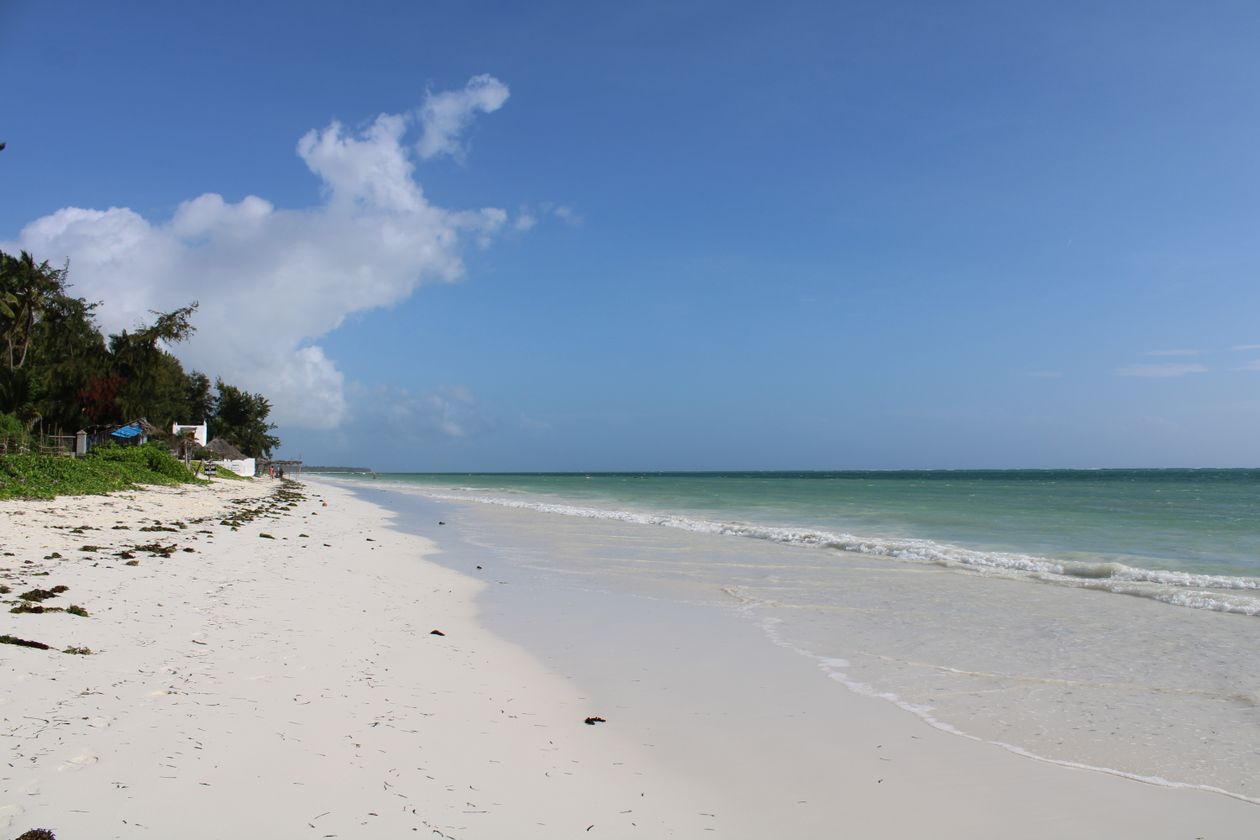
A Tanzania safari and Zanzibar trip combines the northern safari circuit, where you track the Big Five and the Great Migration, with a few days on the white-sand beaches of the Indian Ocean. Most travelers need 8 to 12 days for the pair, do the safari first and the beach second, and fly between the two in roughly 1 hour 45 minutes to 2 hours 45 minutes. The dry months of June to October suit both halves, which is why this is the most popular way to see Tanzania.
The appeal is simple. After several early starts and dusty game drives, the beach is the reward. You go from watching elephants at a waterhole to swimming over a coral reef in the same week, with one short flight in between. Below is everything you need to plan it well: how long to spend, which half comes first, how the transfer works, when to go, where to stay, and a day-by-day sample route.
How many days do you need for a Tanzania safari and Zanzibar trip?
Plan on 8 to 14 days total for a Tanzania safari and Zanzibar trip, with 10 days the sweet spot for most first-timers. That gives you four to five days on safari across the northern parks and three to four days on the beach, without rushing either half. Shorter than 8 days and the safari starts to feel thin once you account for travel; longer than 14 and you are usually adding luxury rather than necessity.
| Total trip length | Safari days | Zanzibar days | Best for |
|---|---|---|---|
| 8 days | 5 | 3 | A first safari with a short beach reward |
| 10 days | 6 | 4 | The balanced choice for most travelers |
| 12 days | 7 | 5 | More parks plus a proper beach stay |
| 14 days | 8 | 6 | Honeymoons and unhurried itineraries |
The safari side drives most of the planning, because the parks are spread out and each one needs time to be worth the drive. If you are still deciding how to split the safari portion, our guide to how many days you need for a Tanzania safari breaks down what each extra day buys you. Three nights on Zanzibar is the practical minimum: one day for Stone Town and the spice farms, two for the beach. Add nights from there if you want to dive, snorkel Mnemba Atoll, or simply do nothing for longer.
Should you do the safari or Zanzibar first?
Do the safari first and Zanzibar second. The safari is the active, early-rising part of the trip, with 5 a.m. wake-ups, long game drives, and a lot of moving between camps. Ending on the beach lets you unwind, sleep in, and process what you saw, rather than carrying beach legs into a week of dawn starts. It also makes the logistics cleaner, since most safari-to-Zanzibar flights run in the late morning or early afternoon after a final morning game drive.
There is a practical reason too. Safari days are physically tiring in a good way, and the beach is where the trip should decompress. Reverse the order and you spend your relaxed, sun-rested days bouncing around the Serengeti at dawn, then fly home straight off a game drive with no buffer. The only time to flip it is if a specific lodge or migration timing forces your hand, which a good planner will flag before you book.
How to get from the safari to Zanzibar
You fly. A light aircraft connects the northern safari airstrips to Zanzibar in about 1 hour 45 minutes to 2 hours 45 minutes, depending on the airstrip and whether the flight is direct or routes through Arusha or Dar es Salaam. From Serengeti airstrips such as Seronera or Kogatende, expect to pay roughly $400 to $450 per person for a direct connection. If you route via Arusha, the Arusha-to-Zanzibar leg alone runs about $230 to $270 and can work out cheaper, though it adds time.
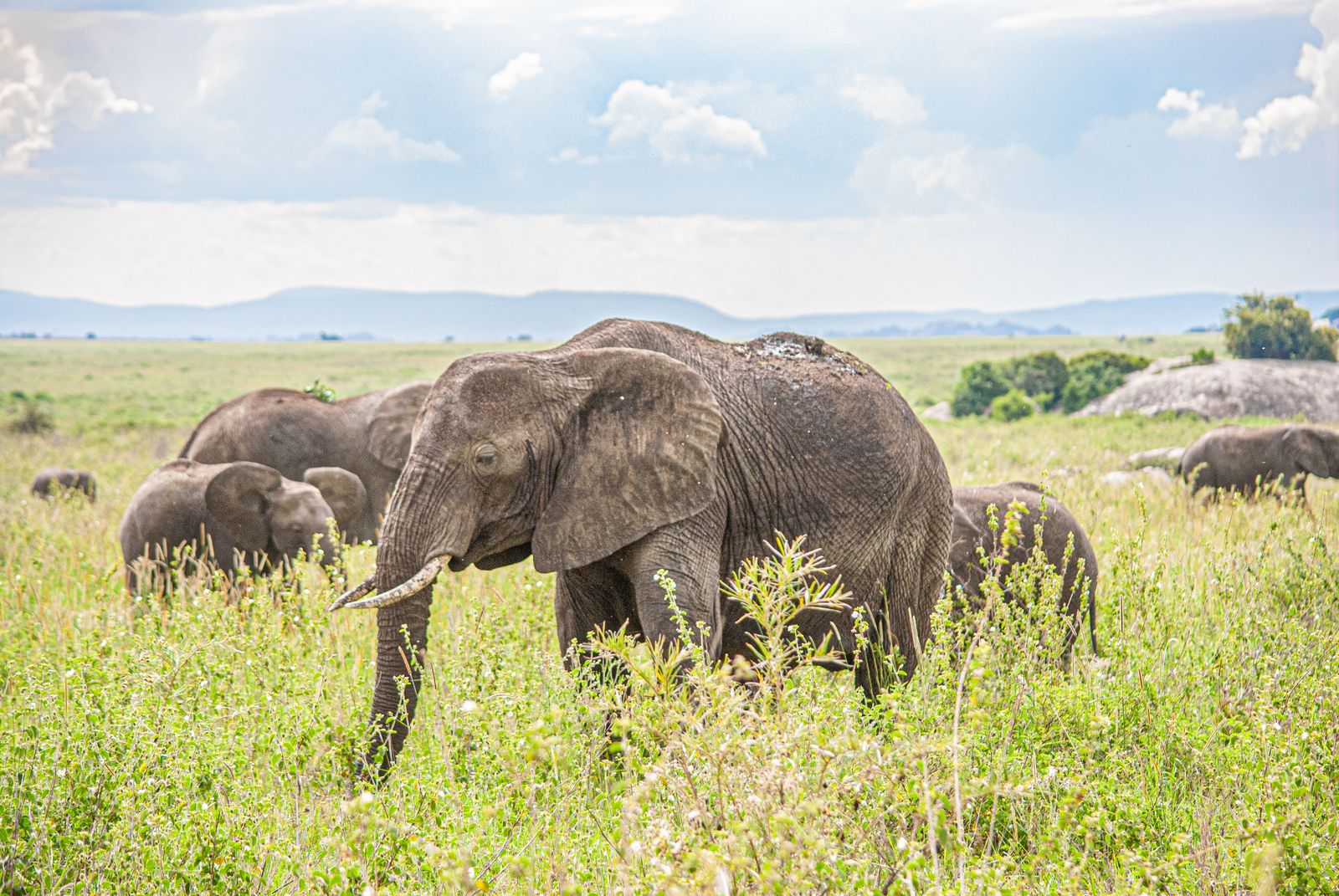
Booking the flight as part of your safari package is the smart move, because the timing has to line up with your final game drive and your Zanzibar check-in. Light aircraft carry strict luggage limits, usually 15 kg in a soft-sided bag, so pack with that in mind. The flights are scenic in their own right, crossing from the plains and the Rift Valley out over the coast before the island comes into view. Skip the ferry for this leg; it only runs from Dar es Salaam, so it would mean an extra flight to the mainland first and no real saving.
Best time for a Tanzania safari and Zanzibar trip
The best time for a Tanzania safari and Zanzibar trip is the long dry season from June to October, when the safari is at its strongest and the beaches are at their driest. Wildlife concentrates around shrinking water sources, the Serengeti's Mara River crossings happen in the north, and Zanzibar sees rainfall drop below about 53 mm a month with clear skies. September often gets singled out as the single best month, with great weather and slightly thinner crowds than the July and August peak.
The season you choose shapes both halves, so it is worth matching them deliberately. Our month-by-month guide to the best time to visit Tanzania for safari covers the wildlife side in detail. For the beach, the period to approach with care is the long rains from March to May, when Zanzibar gets heavy tropical downpours, higher humidity, and rougher seas. That said, the rain usually comes as one or two hours of afternoon downpour followed by sun, so a green-season trip can still work if you accept the gamble and enjoy the lower prices. The short rains around November are lighter and rarely ruin a trip.
Where to stay in Zanzibar after your safari
Pick your Zanzibar base by what you want from the beach, because the island's coasts behave very differently. The north around Nungwi and Kendwa has the most swimmable water, with minimal tidal change so you can get in the sea at any time of day. The east coast at Paje and Jambiani is flatter and more laid-back, with strong tides that pull the water far out at low tide and reliable wind that makes Paje a kitesurfing hub from June to October. Matemwe in the northeast sits opposite Mnemba Atoll and suits divers and snorkelers.
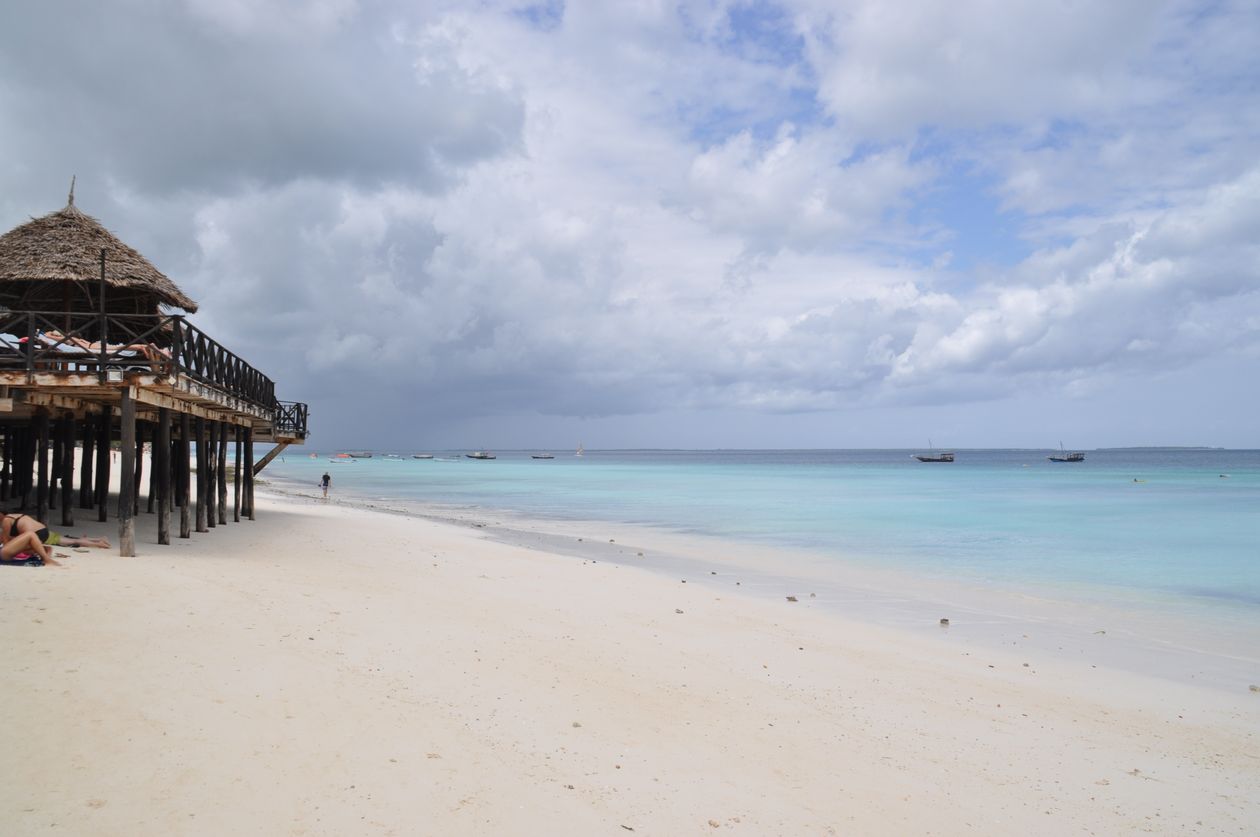
Most first-timers do well in the north, where swimming is easy and the choice of hotels is widest. Wherever you land, give Stone Town a half or full day at some point, ideally on arrival or the day you leave. The old town is a UNESCO World Heritage Site, with carved doors, a tangle of lanes, the former slave-market site, and spice farms just outside town. It is a short drive from the airport, so it slots naturally into the start or end of the beach stay rather than eating into your sand time.
Sample 10-day Tanzania safari and Zanzibar itinerary
Here is a balanced 10-day route that puts six days on safari and four on Zanzibar, with the flight on day 7. It moves through the classic northern parks and ends on the beach, and it is easy to stretch or shorten by a day or two at either end.
- Day 1: Arrive in Arusha or Kilimanjaro, overnight near Arusha to shake off the flight.
- Day 2: Tarangire National Park, famous for big elephant herds and baobab trees.
- Day 3: Drive to the Ngorongoro highlands; afternoon at leisure with crater views.
- Day 4: Full day in the Ngorongoro Crater, one of the best places to see the Big Five in a single day.
- Day 5: Into the central Serengeti for an afternoon game drive.
- Day 6: Full day in the Serengeti, following the migration and big cats.
- Day 7: Morning game drive, then fly from a Serengeti airstrip to Zanzibar.
- Day 8: Stone Town and a spice-farm tour, then settle into your beach hotel.
- Day 9: Free beach day: swim, snorkel Mnemba, or take a dhow sunset cruise.
- Day 10: Last morning on the beach, then transfer to Zanzibar airport to fly home.
This route works because it front-loads the long drives and saves the slow days for the end. If you have only eight days, drop one Serengeti night and one beach night. If you have twelve, add a night in the Serengeti for better cat sightings and a night on Zanzibar for a proper dive day. For a tighter safari-only version of the bush portion, our 6-day Tanzania safari itinerary covers the same parks in more depth.
What to know before you go
A few practical points make the bush-and-beach combination run smoothly. Zanzibar is a malaria area, as is mainland Tanzania, so talk to a travel clinic about antimalarial tablets and pack insect repellent for both halves. Zanzibar is also a predominantly Muslim island, so cover shoulders and knees in Stone Town and villages, and save the swimwear for the beach and hotel grounds. These are small adjustments, but they matter for a respectful and comfortable trip.
On logistics, build in buffers. Keep your international flight home for the evening of your last day or the morning after, never the same afternoon you leave the beach, so a delayed light aircraft does not cost you the trip. Watch the tides if you stay on the east coast, since low tide there can put the swimmable water a long walk from your sunlounger. And weigh your bags before the inter-island flight; the 15 kg soft-bag limit is enforced, and excess can be charged or left behind. None of this is hard, but it is the difference between a smooth handover from safari to sand and a stressful one.
Frequently asked questions
Is it worth combining a Tanzania safari with Zanzibar?
Yes, for most travelers it is the best way to see Tanzania. The safari and the island are only a short flight apart, the beach is the natural reward after dawn game drives, and the two halves share the same dry season. You get wildlife and the Indian Ocean on one trip without long-haul travel between them.
How long is the flight from the Serengeti to Zanzibar?
The flight takes about 1 hour 45 minutes to 2 hours 45 minutes, depending on the airstrip and whether it is a direct charter or routes through Arusha or Dar es Salaam. Direct connections from Serengeti airstrips cost roughly $400 to $450 per person.
Do I need malaria tablets for Zanzibar?
Zanzibar and mainland Tanzania are both malaria areas, so antimalarial tablets are usually recommended. Speak to a travel clinic before you go, and pack repellent and cover up at dawn and dusk on both the safari and the island.
Which Zanzibar beach is best after a safari?
For easy swimming, the north coast around Nungwi and Kendwa is the safest bet, because the tide stays high enough to swim all day. The east coast at Paje suits kitesurfers and travelers who like a quieter, more local feel but has stronger tides.
When is the best time for a safari and Zanzibar trip?
June to October is best, with strong wildlife viewing and dry, clear beach weather. September is often the standout month. Avoid the long rains from March to May if you want reliable beach days, though green-season prices are lower.
Should I book the safari and Zanzibar as one package?
It is usually easier to book them together, because the inter-island flight has to line up with your final game drive and your beach check-in. A combined package also keeps your luggage limits, transfers, and timing handled by one planner rather than several.