
Lake Manyara National Park safari delivers one of Tanzania's most varied wildlife experiences in a compact park that packs a Rift Valley soda lake, ancient groundwater forest, open floodplain, and a 600-meter escarpment wall into a single day's game drive. The park holds tree-climbing lions, flamingo gatherings that can top two million birds, a dense hippo pool just 10 minutes from the gate, and over 400 bird species, all within two hours of Arusha on a fully paved road. At 330 km², it's small by northern circuit standards, but that compactness means you cover a remarkable range of ecosystems in a single visit.
| Detail | Info |
|---|---|
| Park size | 330 km² (lake covers ~200 km² in wet season) |
| Drive from Arusha | ~2 hours (126 km, fully paved road) |
| Entry fee (adult non-resident) | $59 per person per day |
| Park hours | 6am to 6pm (night drives available with licensed operator) |
| Mammals recorded | 50+ species |
| Bird species | 400+ |
Tree-Climbing Lions: Lake Manyara's Most Distinctive Wildlife Encounter
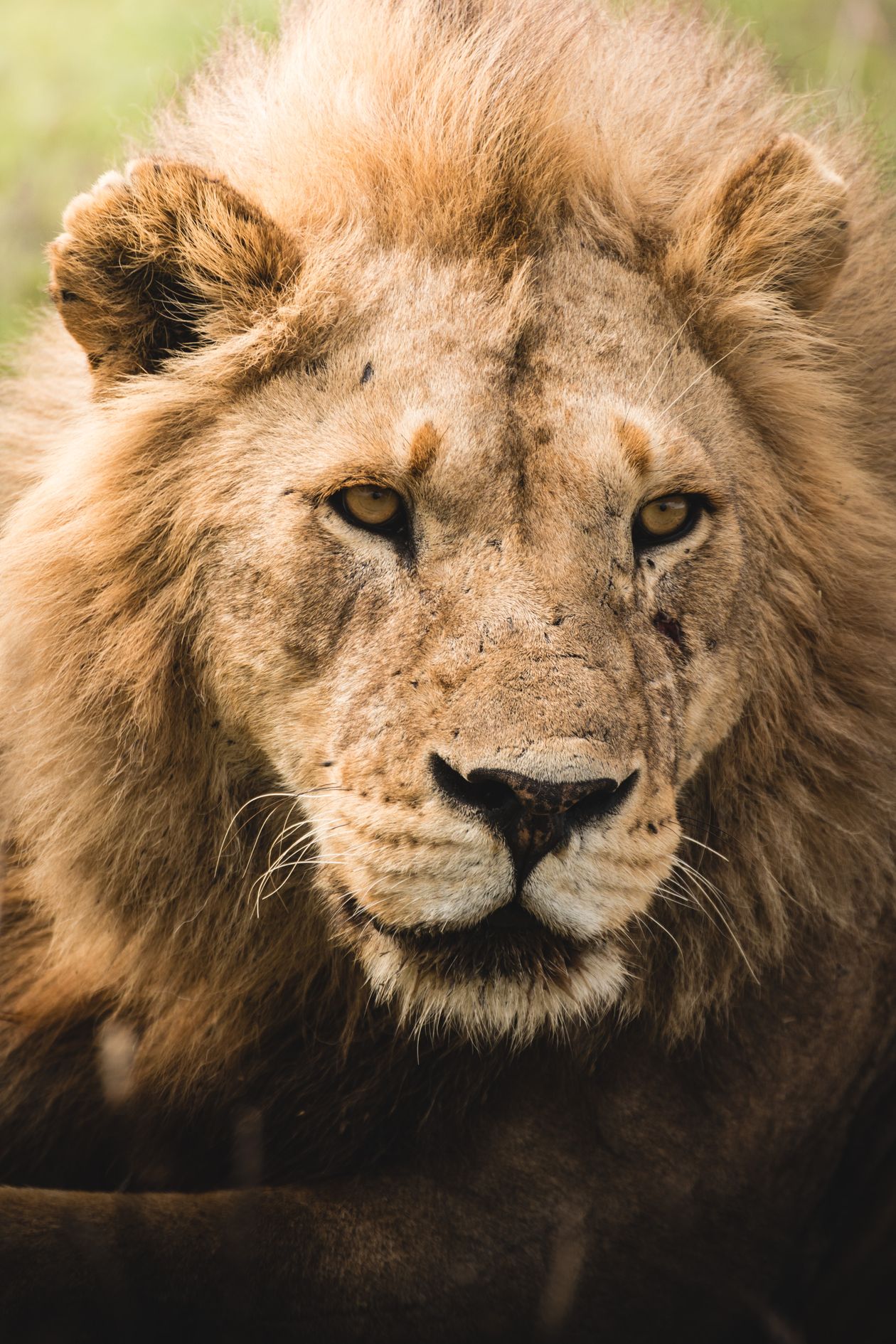
The tree-climbing lions at Lake Manyara National Park are among Tanzania's most unusual wildlife sightings, and one of the main reasons travelers add the park to a northern circuit itinerary. While lions across Africa spend most of the day resting on the ground, a portion of Manyara's lion population has developed the habit of lounging in the branches of large fig and acacia trees, sometimes four to five meters above the forest floor, completely relaxed in the canopy.
Why they climb is still debated. The leading theories point to relief from the dense tsetse flies near the lake's edge, the heat on the ground during midday, and the elevated vantage point for spotting prey across the flat floodplains below. The behavior has been documented by researchers for decades and appears to be a learned trait passed down within certain Manyara prides. Sightings are not guaranteed; the lions range through the forested section toward the park's southern end and are most reliably found on morning drives. When you do find one stretched across a branch while your vehicle is parked directly underneath, it's one of Tanzania's more memorable wildlife moments.
Flamingos, Birds, and the Lake Manyara Safari Experience on the Water
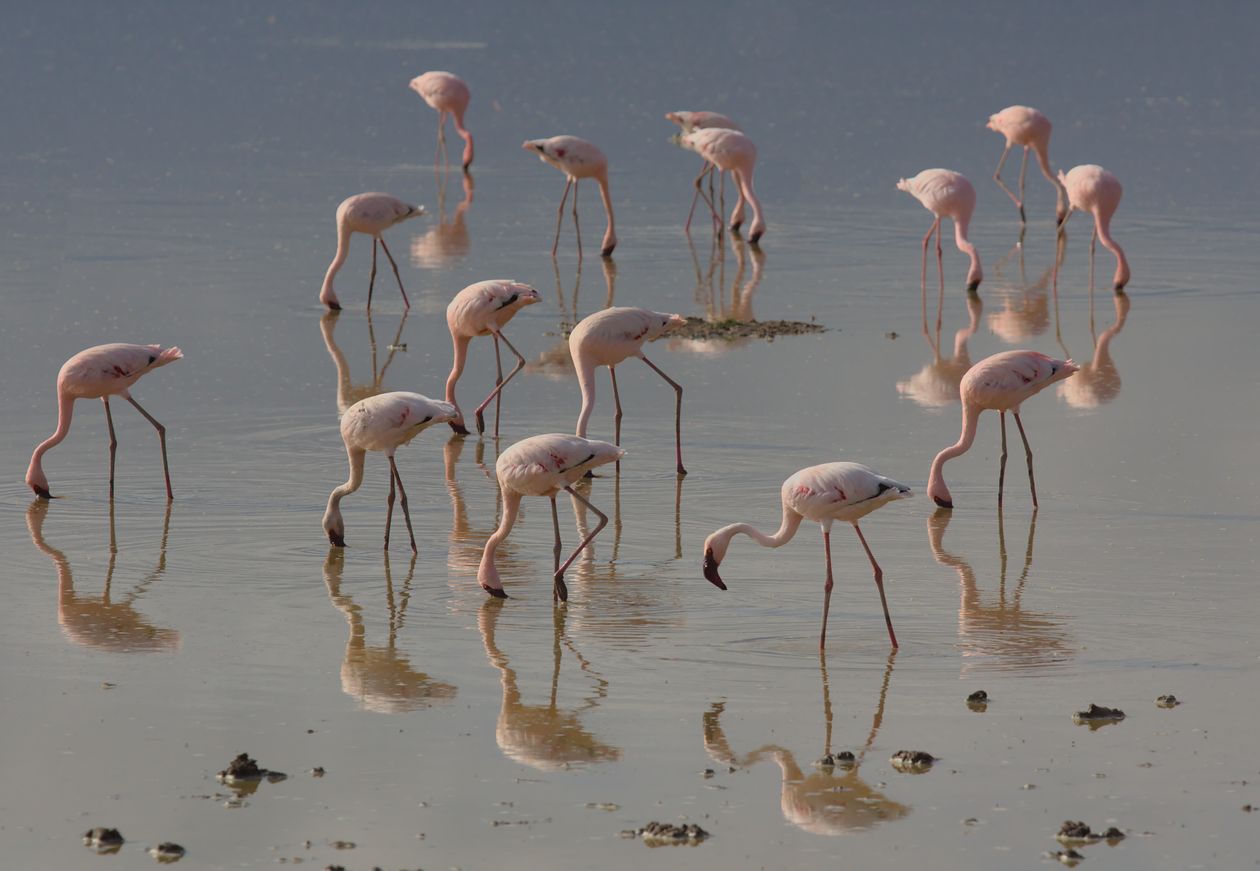
The lake is an alkaline soda lake fed by springs from the Rift Valley escarpment, and its chemistry creates exactly the conditions that lesser and greater flamingos need to feed. At peak concentrations, usually during the wet season and early dry season when water levels and algae growth align, hundreds of thousands of flamingos line the shallows. In exceptional years the numbers can approach two million birds, turning the lake surface a deep pink visible from several kilometers away. Flamingo numbers vary with the season and annual rainfall, but some birds are almost always present.
Beyond flamingos, Lake Manyara holds over 400 recorded bird species, making it one of Tanzania's strongest destinations for birdwatching. Along the lake shore you'll find large flocks of white pelicans, yellow-billed storks, and great white egrets. The groundwater forest near the entrance gate holds hornbills, barbets, and sunbirds. November is particularly good for birding: Palearctic migrants from Europe and Asia join the resident population, flamingo numbers are often at their peak, and the park is less crowded than during the July to October busy period. If birdwatching is a priority on your trip, bring binoculars and plan at least a full day in the park.
Elephants, Hippos, Baboons, and the Full Wildlife Picture
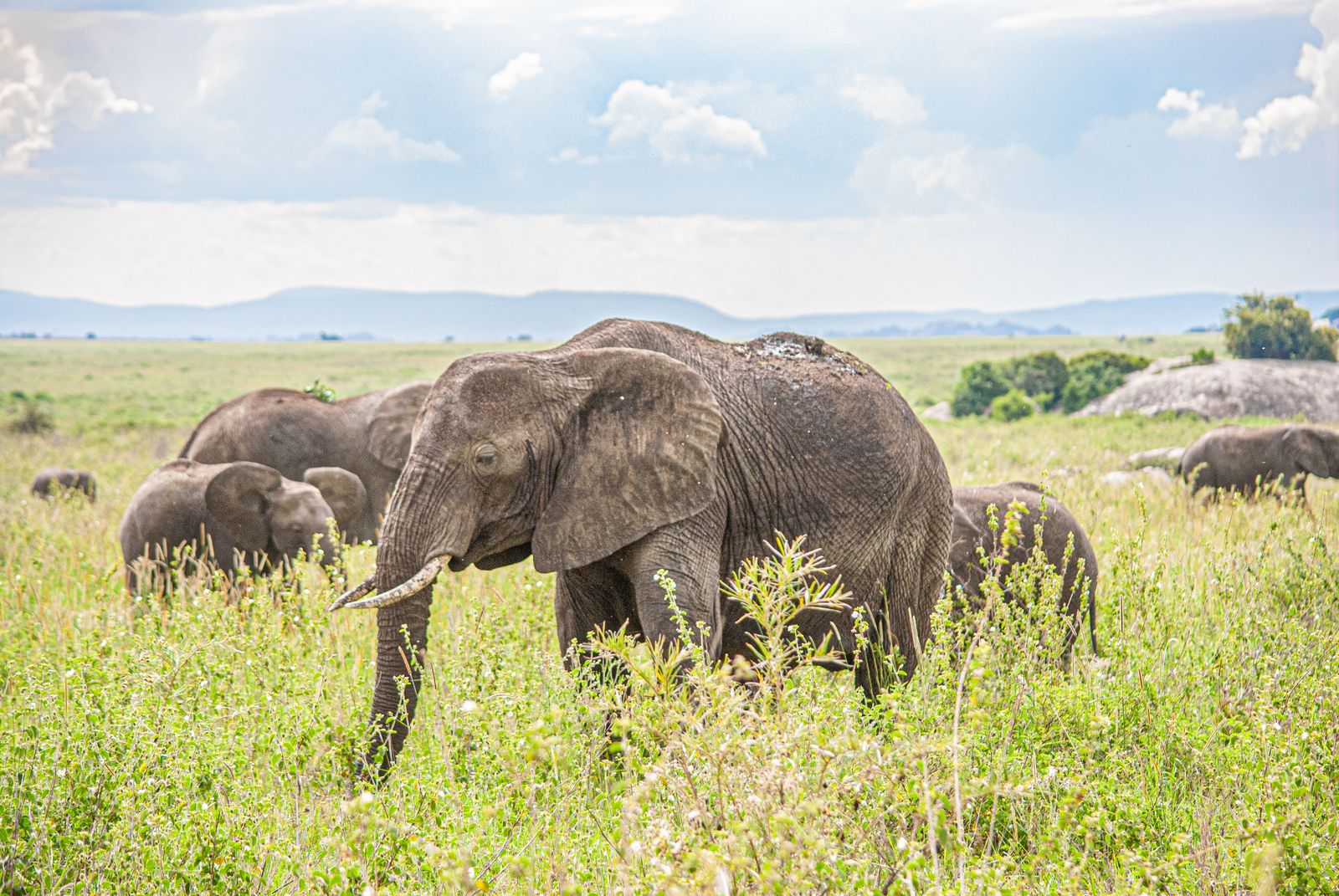
Lake Manyara records over 50 mammal species, and the wildlife range is wider than most visitors expect going in. The park has one of Tanzania's highest elephant densities: large herds feed on acacia leaves and move between the groundwater forest and the open floodplains throughout the day, so encounters are frequent and often close. Masai giraffe, zebra, wildebeest, waterbuck, and impala fill the grassland zones, and leopard sightings happen in the forested areas, particularly during night drives.
The hippo pool is one of Manyara's most reliable stops. Positioned about 10 minutes from the main entrance on the western side of the lake, it holds a dense concentration of hippos that you'll hear before you see. Early morning is the most active time, when the animals surface, vocalize, and jostle before retreating to deeper water as the day heats up. Olive baboons are another Manyara constant; the park holds one of the largest baboon concentrations in Africa, with troops sometimes exceeding 200 individuals moving through the acacia woodland and crossing the main circuit tracks. Large groups crossing directly in front of your vehicle at close range are a near-daily occurrence, and troops of this size are something the bigger parks rarely match.
Best Time to Visit Lake Manyara National Park for Safari
June to October is the best overall window for a Lake Manyara National Park safari. During the dry season, vegetation opens up, animals concentrate in predictable zones near reliable water sources, and conditions are sunny with average daytime temperatures around 25 to 32°C. This period overlaps with peak season across the wider northern circuit, so Manyara is commonly visited as part of a Tarangire-Manyara-Ngorongoro-Serengeti routing during these months.
November is worth considering specifically for birding. The short rains arrive as afternoon showers, Palearctic migrants join the resident bird population, and flamingo numbers on the lake are often at their highest. Prices at most lodges drop and the park is noticeably less busy than in the July to August peak. The long rains run from late March through mid-May; April and early May see the heaviest rainfall, tracks become difficult, and some camps close, so most visitors skip that window. Outside of April and May, Lake Manyara is accessible and productive year-round.
| Period | Conditions | Best for |
|---|---|---|
| June to October | Dry, sunny, busy | General wildlife, lions, elephants, hippos |
| November | Short rains, afternoon showers | Birding, flamingos, fewer visitors |
| December to March | Warm, some rain, lush vegetation | Decent game viewing, green scenery |
| April to May | Heavy long rains | Avoid for most visitors |
Activities at Lake Manyara National Park Beyond the Game Drive
Lake Manyara is one of the few parks in Tanzania's northern circuit that authorizes night drives, which gives it a real edge for travelers who want to extend their safari day past 6pm. After the main gate closes, licensed operators can take guests on drives inside the park to look for nocturnal species: porcupines, genets, civets, and occasionally a leopard moving along the forest edge. Night drives must be arranged in advance through your lodge or operator, and not every accommodation near the park holds the authorization to run them; confirm this detail before booking if a night drive matters to you.
The park also operates a 370-meter treetop walkway near the main entrance. The suspended bridge rises 18 meters above the forest floor and takes about 45 minutes to complete, giving you a canopy-level view of birds, colobus monkeys, and occasionally larger mammals moving below. It's a genuinely different experience from anything at the Serengeti or Ngorongoro Crater. Canoe trips on the lake's shallow sections are available through some operators and provide a low, waterborne vantage point for waterbirds that game vehicles simply can't match. Guided walking safaris are also permitted in designated zones for guests who want to cover ground on foot with a ranger.
Lake Manyara National Park Entry Fees and Practical Information for 2026
The Lake Manyara National Park entry fee for 2026 is $59 per adult non-resident per day and $18 per child non-resident per day. Children under five are free. East African Community citizens pay in Tanzanian shillings at a significantly lower rate. TANAPA requires advance payment by bank transfer or by Visa/Mastercard through the park fees online system; cash is not accepted at the gate, so sort the fees before you arrive.
The park is open for day game drives from 6am to 6pm. Guide fees for the canopy walk and walking safaris run roughly $20 to $40 for a half or full day, and night drives carry a separate park fee on top of your operator's charge. The drive from Arusha to the park entrance is about 2 hours along a fully paved road via Karatu, making Manyara a practical one-night stop or even a day trip for travelers based in Arusha with limited time in Tanzania.
How Lake Manyara Fits Into Your Northern Circuit Itinerary
Lake Manyara sits between Arusha and the Ngorongoro highlands, making it a natural first or last stop on the northern circuit. On a 6 to 7-day routing, the most common sequence starts with Tarangire National Park for two nights, moves to Manyara for one night, then continues to the Ngorongoro Crater, and finishes in the Serengeti. One full day at Manyara covers the main circuit: hippo pool, forested lion zone, and the lake edge for flamingos and birds. If you want to add a night drive, two nights gives you the flexibility to do that without rushing the rest of the circuit.
Day trips from Arusha are popular and practical. The 2-hour drive each way is comfortable, and six to eight hours inside the park covers the main highlights. The drawback is that a day trip rules out night drives and leaves little time for both a full game drive and the canopy walk in the same visit. One or two nights at a lodge near the park gives you the complete Manyara experience. For a practical look at how to combine all four northern circuit parks in sequence, see our 6-day Tanzania safari itinerary for one strong routing option.
Frequently Asked Questions About Lake Manyara National Park Safari
Is Lake Manyara worth visiting on a Tanzania safari?
Yes, especially if birdwatching, tree-climbing lions, or a night drive are on your list. The park covers a remarkable range of habitats in a small area and offers activities like night drives, a treetop canopy walk, and canoeing that the larger northern circuit parks don't provide. It pairs particularly well with Tarangire and Ngorongoro Crater as part of a multi-park itinerary.
What is Lake Manyara most famous for?
Tree-climbing lions and flamingos are what most visitors specifically come for. The park is also known for its large hippo pool near the gate, one of Tanzania's highest elephant densities, a very large olive baboon population, and over 400 recorded bird species.
How much does a Lake Manyara safari cost?
Entry fees are $59 per adult non-resident per day. Mid-range tented camps and lodges outside the park typically run $200 to $450 per person per night including a game drive. The only lodge inside the park, andBeyond Lake Manyara Tree Lodge, is luxury-priced at $1,000 and above per person per night.
How long do you need at Lake Manyara National Park?
One full day covers the main circuit comfortably. If you want to add a night drive, plan for two days and two nights at a lodge with night-drive authorization. Lake Manyara is also practical as a day trip from Arusha for travelers with tight schedules, though you'll miss the night drive.
Can you do a night drive at Lake Manyara?
Yes. Lake Manyara is one of the very few parks in Tanzania's northern circuit that permits night drives. After 6pm, licensed operators can take guests inside the park to look for nocturnal animals including porcupines, genets, civets, and leopard. Night drives require advance booking through your lodge or operator, and not all accommodations near the park hold the authorization to run them.
What is the best time to visit Lake Manyara National Park?
June to October is the best period for general wildlife viewing, when the dry season opens vegetation and animals concentrate near water. November is excellent for birdwatching, with Palearctic migrants present and flamingo numbers high. Avoid April and early May during the heaviest long rains, when tracks become difficult and some camps close.
Does Lake Manyara have the Big Five?
Lake Manyara has four of the Big Five: lion, leopard, elephant, and Cape buffalo are all present in the park. Black rhino are not found here. If seeing all five on your trip is a priority, include the Ngorongoro Crater in your itinerary, which holds one of the last viable black rhino populations in the northern circuit.