
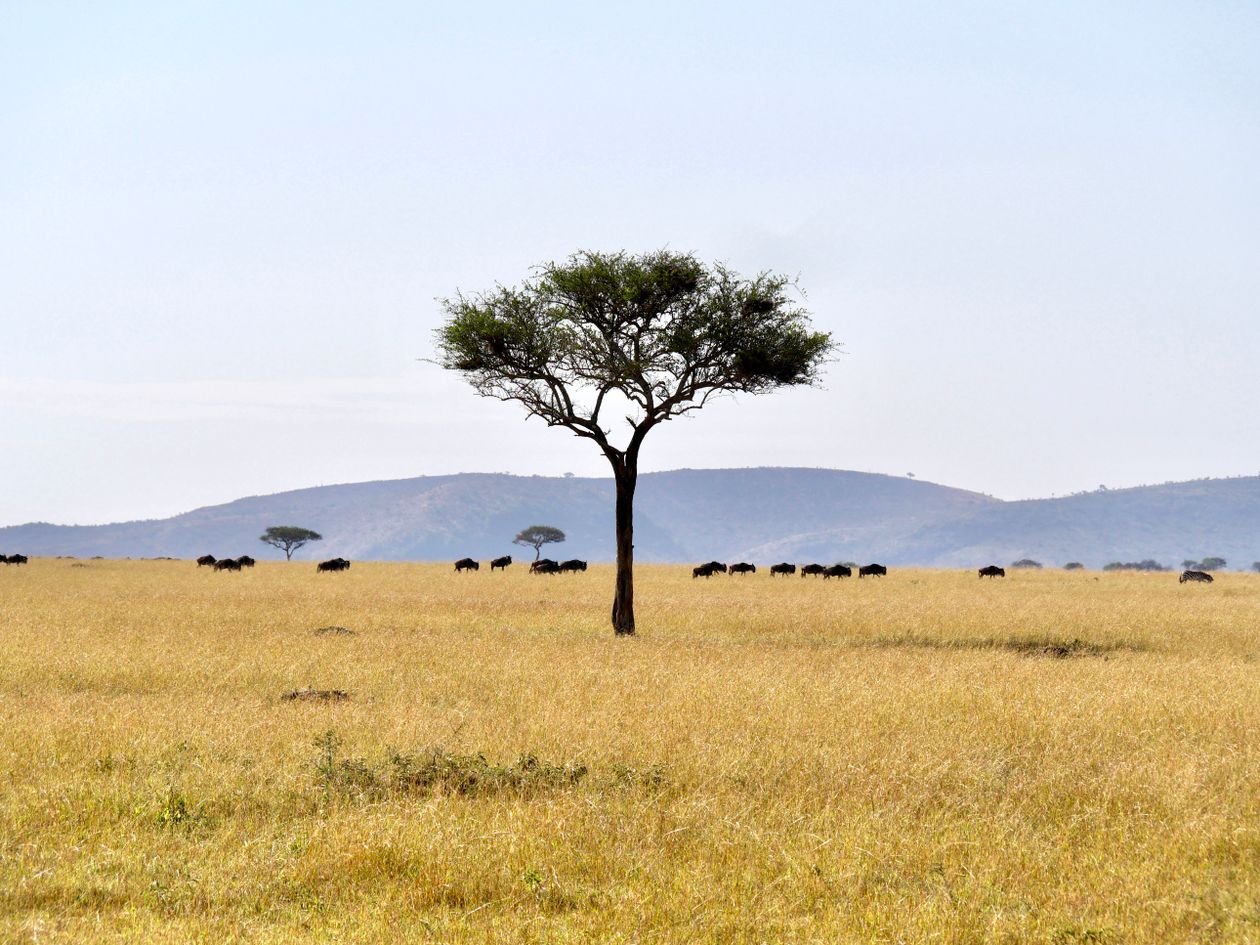
Tanzania safari cost typically runs between $350 and $700 per person per day for the mid-range northern circuit — the tier most first-time visitors book. Budget camping trips start around $150 to $280 per person per day, while luxury lodges push $700 to $1,500 or more. For a 7-day private northern circuit covering the Serengeti, Ngorongoro Crater, and Tarangire, two people on a mid-range budget should expect to pay roughly $2,800 to $5,600 each for the ground package, before international flights, visas, or tips.
| Travel Style | Per Person Per Day | 7-Day Trip Total |
|---|---|---|
| Budget (camping, shared vehicle) | $150–$280 | $1,750–$3,200 |
| Mid-Range (lodges or tented camps, private vehicle) | $350–$700 | $2,800–$5,600 |
| Luxury (premier lodges, private vehicle) | $700–$1,500 | $5,500–$10,500 |
| Ultra-Luxury (exclusive camps, fly-in) | $1,500–$3,000+ | $10,500–$21,000+ |
What Does a Tanzania Safari Cost? Budget, Mid-Range, and Luxury Compared
A Tanzania safari cost breaks cleanly into three tiers based on where you sleep — that single variable drives more price variation than anything else. Budget, mid-range, and luxury travelers visit the same parks, see the same wildlife, and follow similar northern circuit routes. What differs is the accommodation, the vehicle arrangement, and the level of service around you.
Budget ($150 to $280/day) means public campsites or simple mobile camps with basic canvas tents, shared bathrooms, and a mess tent for meals. Transport is in a shared group vehicle with other travelers, which keeps per-person costs down. The wildlife experience is identical to higher tiers — the lions don't know which camp you're sleeping at. The trade-offs are comfort and schedule flexibility: you share a vehicle and itinerary with people you didn't choose, and early mornings in the bush are genuinely cold at public campsites with basic facilities. Entry-level group departures from Arusha start at around $1,500 to $2,250 per person for a 5-day northern circuit.
Mid-range ($350 to $700/day) is where the majority of first-time visitors land, and it balances comfort with value most effectively for a Tanzania safari. You get a private 4x4 vehicle with a professional driver-guide, en suite bathrooms, hot water, proper meals, and a lodge or tented camp that's well-run and often beautifully located inside or near a park boundary. You control your own schedule, spend as long as you want at sightings, and take early morning and evening drives without coordinating with strangers. A 7-day private northern circuit for two typically runs $2,800 to $5,600 each.
Luxury ($700 to $1,500/day and beyond) adds an entirely different character: intimate camps with four to twelve tents, a guest-to-staff ratio close to one-to-one, private concession land where you may be the only vehicle at a predator sighting, and guides with two or more decades in the bush. Private fly-in itineraries are common, eliminating the long road transfers between parks. For the ultra-luxury tier — exclusive-use camps, helicopter transfers, fully custom itineraries — daily rates reach $1,500 to $3,000 or more per person. A 7-day luxury safari runs roughly $5,500 to $10,500 per person.
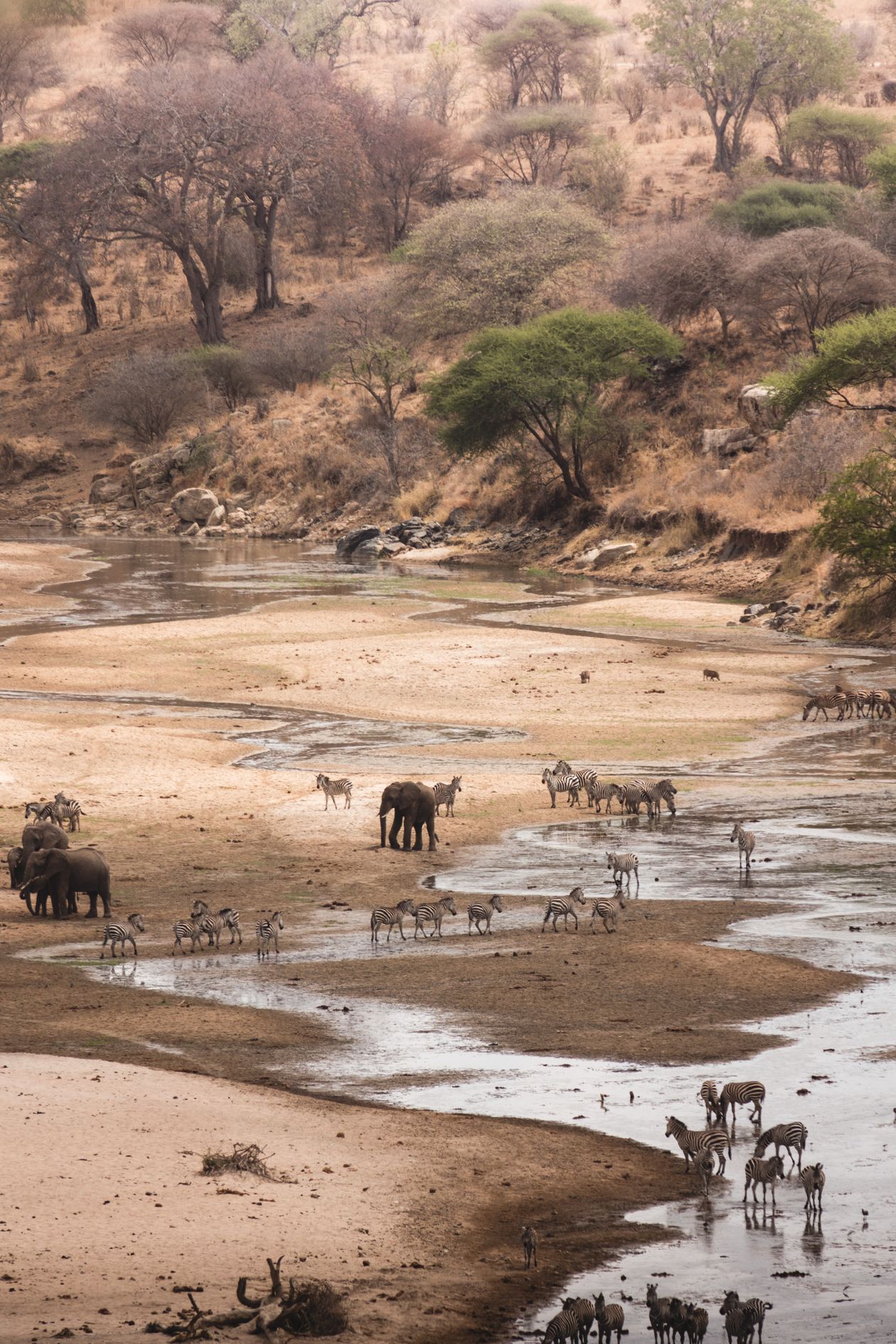
Tanzania National Park Entry Fees in 2026
Park entry fees are fixed government charges — the same regardless of what tier of accommodation you book. For a standard 7-day northern circuit covering the Serengeti, Ngorongoro, and Tarangire, expect to pay $500 to $700 per person in park fees alone. These are set by TANAPA (Tanzania National Parks Authority) and the Ngorongoro Conservation Area Authority and are included in virtually all reputable package quotes. All fees below are 2025/2026 rates, VAT-inclusive, per person per 24-hour period unless noted.
| Park | Non-Resident Adult (High Season) | Non-Resident Adult (Low Season) | Child 5–15 (High Season) |
|---|---|---|---|
| Serengeti (Jul–Oct, Jan–Feb) | $83 | $71 | $24 |
| Ngorongoro Conservation Area | $71–$83 | $71–$83 | $23–$24 |
| Tarangire National Park | $59 | $53 | $18 |
| Lake Manyara National Park | $59 | $53 | $18 |
One charge that regularly surprises first-time safari planners is the Ngorongoro Crater vehicle descent fee: $295 per vehicle, billed separately from the per-person conservation area entry fee. For a couple sharing a private Land Cruiser, that's $147.50 each on top of the daily entry charge. For a solo traveler in a private vehicle, the full $295 lands on one person. The fee applies each time a vehicle descends — if you spend two days inside the crater, you pay it twice. All Ngorongoro permits must be pre-arranged through a registered tour operator; none are sold at the gate. Before committing to any quote, ask your operator directly whether the crater descent fee is included or listed as an add-on. For a complete breakdown of what the crater visit covers, see our Ngorongoro Crater Safari Guide.
What Drives the Cost of a Tanzania Safari
Accommodation accounts for 40 to 60% of a typical Tanzania safari package price — it's the single biggest cost lever available to you. Beyond that, the vehicle arrangement, the type of transfers you choose, and the size of your group all move the number in meaningful ways.
Accommodation: The Biggest Variable
The gap between a public campsite ($30 to $50 per person per night) and a luxury tented camp ($800 to $2,000 per person per night) is the primary reason safari prices span such a wide range. Properties inside park boundaries cost 30 to 50% more than equivalent camps just outside, but they save 30 to 90 minutes of driving each morning and evening and often provide access to private concession land where independent vehicles cannot go. For help deciding between the different accommodation types and what each tier actually delivers, see our guide to Tanzania Safari Lodges vs. Tented Camps.
Vehicle and Guide
A private 4x4 vehicle with a professional English-speaking driver-guide costs around $200 to $400 per day. Critically, this is a per-vehicle cost, not per-person. A Land Cruiser for two people costs roughly the same per day as one for six. On a shared group departure, four to six travelers split this cost, which is the main reason budget safaris can undercut private itineraries sharply on price while offering access to the same parks and professional guide quality.
Road vs. Fly-In Transfers
Road-based itineraries are significantly cheaper than fly-in ones. The drive from Arusha to the central Serengeti takes about eight to nine hours (usually split across two days with a Tarangire or Ngorongoro stop), meaning one full travel day each direction. Internal bush flights cut that to 30 to 60 minutes per leg, but cost $200 to $500 per person one-way. Most mid-range travelers find the drives worthwhile — the Rift Valley and Ngorongoro highlands are genuinely interesting to travel through. Most luxury travelers opt for at least one or two fly-in legs to maximize time in the bush.
Group Size: The Math Most People Overlook
Because the vehicle and guide cost is fixed per day regardless of how many guests are in it, group size is one of the most powerful cost levers on a Tanzania safari. A solo traveler on a private 7-day safari bears the full $1,400 to $2,800 vehicle cost alone and also pays a single supplement on accommodation — typically 50 to 100% above the per-person rate, since every tent is priced for two. A couple splits the vehicle cost two ways and the single supplement disappears. A group of four reduces the per-person vehicle cost by roughly 75% compared to solo travel. For solo travelers, joining a scheduled group departure eliminates both the single supplement and the vehicle cost penalty, at the cost of giving up private vehicle flexibility and schedule control.
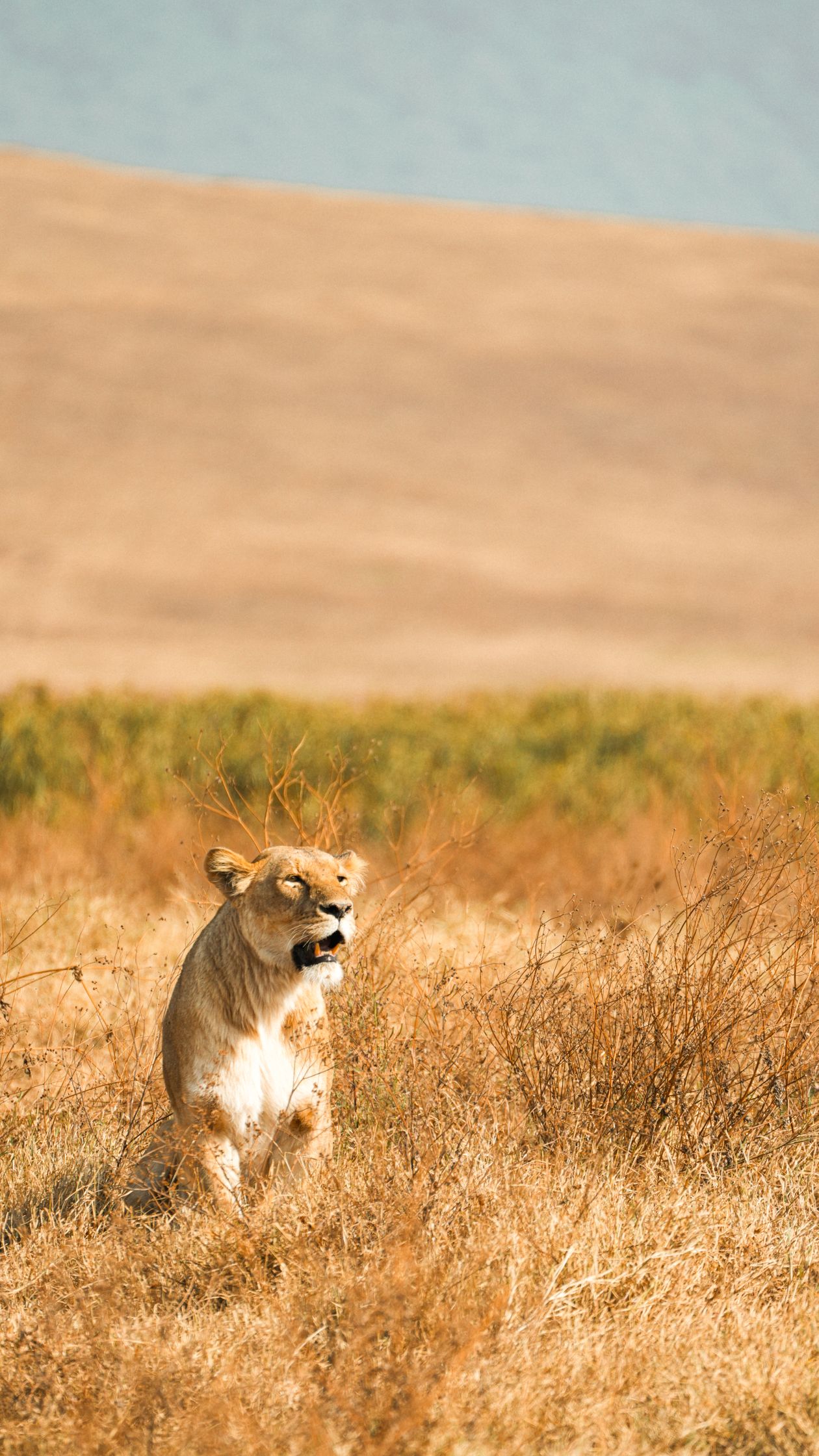
Tanzania Safari Cost by Season: When You Go Changes What You Pay
Timing is one of the clearest ways to change your Tanzania safari cost without touching parks, routes, or accommodation quality. High season (July to October and late December to early February) commands the highest prices, with lodges applying 30 to 50% premiums and selling out months ahead. The green season (mid-March to May) is the best-value window, with accommodation rates 30 to 50% lower than peak and far fewer vehicles in the parks.
| Season | Months | Price vs. Peak | What You Get |
|---|---|---|---|
| Peak (high) | Jul, Aug, Sep, Oct | Baseline | Mara River crossings, dry-season wildlife concentration |
| Calving season | Jan–Feb | Near-peak | Wildebeest calving on the southern Serengeti plains |
| Shoulder | Jun, Nov | 10–20% less | Pre- and post-peak; parks noticeably quieter |
| Green (low) | Mid-Mar to May | 30–50% less | Lush scenery, newborn animals, near-empty parks |
The green season is not a lesser safari — it's a genuinely different one. The Serengeti's southern Ndutu plains fill with wildebeest calves from January through March, and predator activity around the calving grounds is among the most intense wildlife viewing available in Africa. April and May bring heavier rains that make some roads difficult (4x4 is essential), and some camps close for maintenance during this period — always confirm availability and itinerary logistics before booking. Those camps that remain open often run promotional rates of 25 to 40% below peak pricing.
For travelers with flexibility, November and early June are underrated value windows: wildlife is active and well-concentrated, prices sit 10 to 20% below the July to September peak, and the parks feel noticeably less crowded. January and February — the heart of calving season on the Serengeti's southern plains — offer exceptional wildlife at shoulder or near-peak pricing that many experienced safari travelers rate equal to or better than the Mara River crossings. For month-by-month detail on what the timing decision actually means for your trip, see our Best Time to Visit Tanzania for Safari guide.
What's Included and What's Not in a Tanzania Safari Package
Most Tanzania safari packages from reputable operators cover the day-to-day safari costs comprehensively: accommodation, meals, game drives, park fees, your guide, and airport transfers. What they leave out are the one-time personal costs you handle before and after the trip, plus gratuities and any optional upgrades. Knowing this split before you get your first quote eliminates a lot of pricing confusion.
What's typically included: all accommodation for the stated itinerary; full board (breakfast, lunch, dinner, plus snacks and water on game drives); a private 4x4 vehicle with a professional English-speaking driver-guide (for private safaris); all national park entry fees and government taxes; all game drives per the itinerary; road transfers between parks; and airport pickup and drop-off from Arusha or Kilimanjaro International Airport.
What's typically not included — and worth budgeting for specifically before you compare quotes:
| Item | Typical Cost |
|---|---|
| International flights (from US or Europe) | $800–$1,800 per person |
| Tanzania e-Visa | $50 most nationalities; $100 for US citizens |
| Travel insurance (including medical evacuation) | $80–$300+ |
| Yellow fever vaccination | $40–$80 |
| Malaria prophylaxis | $30–$100 |
| Driver-guide tip (7 days) | $105–$175 per person ($15–$25/day) |
| Camp and lodge staff tip (7 days) | $70–$140 per person ($10–$20/day) |
| Alcohol at camps | $3–$12 per drink; rarely included at mid-range |
| Serengeti balloon safari | $550–$650 per person |
| Walking safari ranger fee | $24–$50 per person per session |
| Night game drive (park fee component) | $59 per person plus operator add-on |
| Zanzibar extension (5 nights) | $500–$2,000+ per person |
| Internal flights (if itinerary is road-based) | $200–$500 per leg per person |
| Ngorongoro Crater descent fee (if not itemized) | $295 per vehicle |
Tips deserve special attention. They're universally expected in Tanzania and genuinely important to the people who make your safari work. Budget $15 to $25 per person per day for your driver-guide — so $105 to $175 each on a 7-day trip — and $10 to $20 per person per day for camp and lodge staff, usually given as a pooled amount at checkout. These are not optional extras; they're a standard part of how compensation works across the industry.
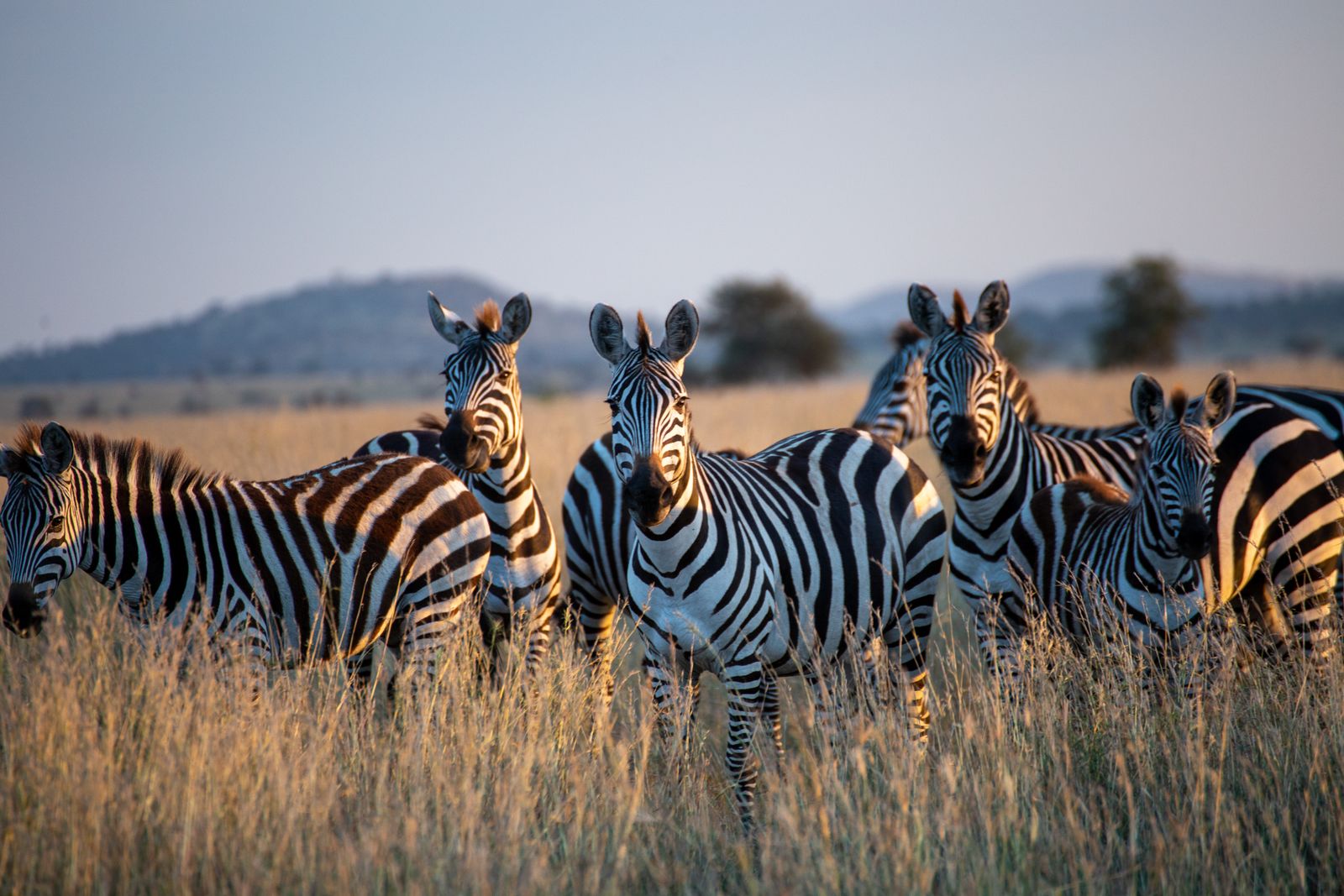
Real-World Tanzania Safari Budget Examples (7 Days, 2 People)
To make the ranges concrete, here are realistic cost breakdowns for two travelers on a 7-day northern circuit — Tarangire (2 nights), Lake Manyara (1 night), Ngorongoro Crater rim (1 night with one crater descent), and Serengeti (3 nights) — at the budget and mid-range tiers. Figures are per person in US dollars, high season, booking directly with a local Arusha operator.
Budget Example: Camping Safari, Private Vehicle for 2
| Line Item | Total (Both) | Per Person |
|---|---|---|
| Park fees (7 park days across 4 parks) | ~$900 | ~$450 |
| Ngorongoro Crater descent fee | $295 | $148 |
| Campsites (6 nights) | ~$360 | ~$180 |
| Vehicle and guide (7 days) | ~$1,750 | ~$875 |
| Airport transfers | ~$200 | ~$100 |
| Ground package subtotal | ~$3,505 | ~$1,753 |
Mid-Range Example: Lodge or Tented Camp Safari, Private Vehicle for 2
| Line Item | Total (Both) | Per Person |
|---|---|---|
| Park fees (7 park days across 4 parks) | ~$900 | ~$450 |
| Ngorongoro Crater descent fee | $295 | $148 |
| Accommodation — 6 nights at mid-range lodges or tented camps | ~$3,000 | ~$1,500 |
| Vehicle and guide (7 days) | ~$2,100 | ~$1,050 |
| Airport transfers | ~$200 | ~$100 |
| Ground package subtotal | ~$6,495 | ~$3,248 |
These figures represent what two people pay booking directly with a local Arusha operator. Booking the same itinerary through a Western travel agency typically adds a markup of 25 to 40% on the ground package — the vehicle, guide, and camps are often identical, but you're paying for the agency's coordination, accountability, and service layer. Whether that's worth it depends on how much research and vetting you're comfortable doing yourself.
Trip length also affects value more than many first-timers realize. Adding two extra days to a 5-day itinerary means two more days of park fees, two more nights of accommodation, and more time in the bush — but you don't need 10 days to have a complete northern circuit experience. If you're still working out the right trip length for your budget and goals, see our guide on How Many Days Do You Need for a Tanzania Safari.
How to Reduce Your Tanzania Safari Cost Without Cutting the Experience
The three most effective ways to bring down Tanzania safari cost are: traveling in the green season, traveling with a group to share vehicle costs, and booking directly with a licensed Arusha-based operator. Each of these independently can reduce your ground package by 25 to 50% compared to the default approach of booking in high season through a Western agency.
Going in April or May, or late March, cuts accommodation rates by 30 to 50% compared to the July to September peak. The calving season (January to March) on the southern Serengeti plains is a genuine value alternative to peak season — exceptional wildlife density at shoulder pricing, with far fewer vehicles at sightings. Just confirm which camps will be open and that your road legs are manageable for the season before you book.
Traveling with a group of four or more rather than as a couple cuts per-person vehicle costs dramatically, because the vehicle runs the same fixed daily cost whether two people or six are in it. A solo traveler bears the full vehicle cost plus a single supplement on accommodation; a group of four shares both. If you're traveling solo, joining a scheduled group departure from a reputable operator eliminates the single supplement and vehicle penalty, at the cost of giving up the private experience.
Booking directly with a licensed Tanzanian operator in Arusha, rather than through a UK or US travel agency, avoids a 25 to 40% intermediary markup. The operator running your actual safari is typically an Arusha-based company regardless of who took the booking — the agency is a coordination layer. To vet operators directly, look for registration with TATO (Tanzania Association of Tour Operators) or ATTO (Association of Tanzania Tour Operators), read recent traveler reviews on independent platforms, and compare at least two or three quotes for the same itinerary before committing.
A few other practical levers: the Serengeti balloon safari costs $550 to $650 per person and is never included in any standard package — it's a remarkable experience but genuinely optional, and skipping it represents real savings on a tighter budget. Choosing a lodge just outside park boundaries rather than in-park saves 30 to 50% on accommodation with a modest increase in morning drive time. And for first-timers, a focused 5-day trip hits the headline parks without accumulating the additional park fees and accommodation costs of longer itineraries.
Frequently Asked Questions About Tanzania Safari Cost
Here are the questions most travelers ask when trying to understand what a Tanzania safari actually costs.
How much does a Tanzania safari cost for 2 people in 2026?
For a 7-day mid-range private northern circuit (Serengeti, Ngorongoro, Tarangire), two people typically pay $2,800 to $5,600 each for the ground package. Combined, that's $5,600 to $11,200 before international flights ($900 to $1,500 each), visas ($50 to $100 each), and tips ($300 to $350 combined for 7 days).
Are Tanzania park fees included in safari packages?
Yes, in nearly all packages from reputable operators. Park fees total roughly $500 to $700 per person for a 7-day northern circuit and are included in the quoted price. Always confirm before booking, and ask specifically whether the Ngorongoro Crater vehicle descent fee ($295 per vehicle) is included or listed separately — some operators itemize it distinctly, which surprises travelers who assumed it was bundled.
What is the cheapest way to do a Tanzania safari?
The most affordable approach is a shared-vehicle camping group departure from Arusha, which starts at around $1,500 to $2,250 per person for a 5-day northern circuit. These trips cover the same parks and use the same category of professional guide as private tours. You share a vehicle with other travelers and sleep in basic public or private campsites instead of lodges, but park access and guide quality are equivalent to higher-tier itineraries.
Is a Tanzania safari more expensive than Kenya?
Generally yes. Tanzania's park fees are higher — especially Serengeti and Ngorongoro — and most itineraries require a private vehicle rather than the shared minibuses more commonly used in Kenya's Masai Mara circuit. Most travelers find Tanzania's larger parks and dramatically fewer vehicles per square kilometer worth the cost difference. See our full Tanzania vs. Kenya Safari comparison for a complete breakdown of where each country wins.
Are tips included in the Tanzania safari price?
No. Tips are always paid separately and directly to your guide and camp staff. Budget $15 to $25 per person per day for your driver-guide and $10 to $20 per person per day for camp staff — these amounts are standard across the industry and universally expected in Tanzania.
When is the cheapest time of year for a Tanzania safari?
The green season (mid-March to May) is the most affordable, with accommodation rates 30 to 50% lower than the July to September peak. Some camps close in April and early May for maintenance, and roads in the western Serengeti can be difficult after heavy rain, so check availability and logistics before booking. Late November is a secondary value window: the short rains have ended, parks are quieter than peak season, and some lodges offer end-of-season rates before closing for renovations.
Is it cheaper to book a Tanzania safari directly in Arusha?
Yes, booking directly with a licensed local Arusha operator typically costs 25 to 40% less than booking through a Western travel agency. The vehicle, guide, and accommodation are usually the same — you're cutting out a middleman markup. Verify the operator is registered with TATO or ATTO, read independent traveler reviews, and compare at least two or three quotes for the same specific itinerary to benchmark what you're being offered.